What to Expect From Professional Tent Fumigation Services
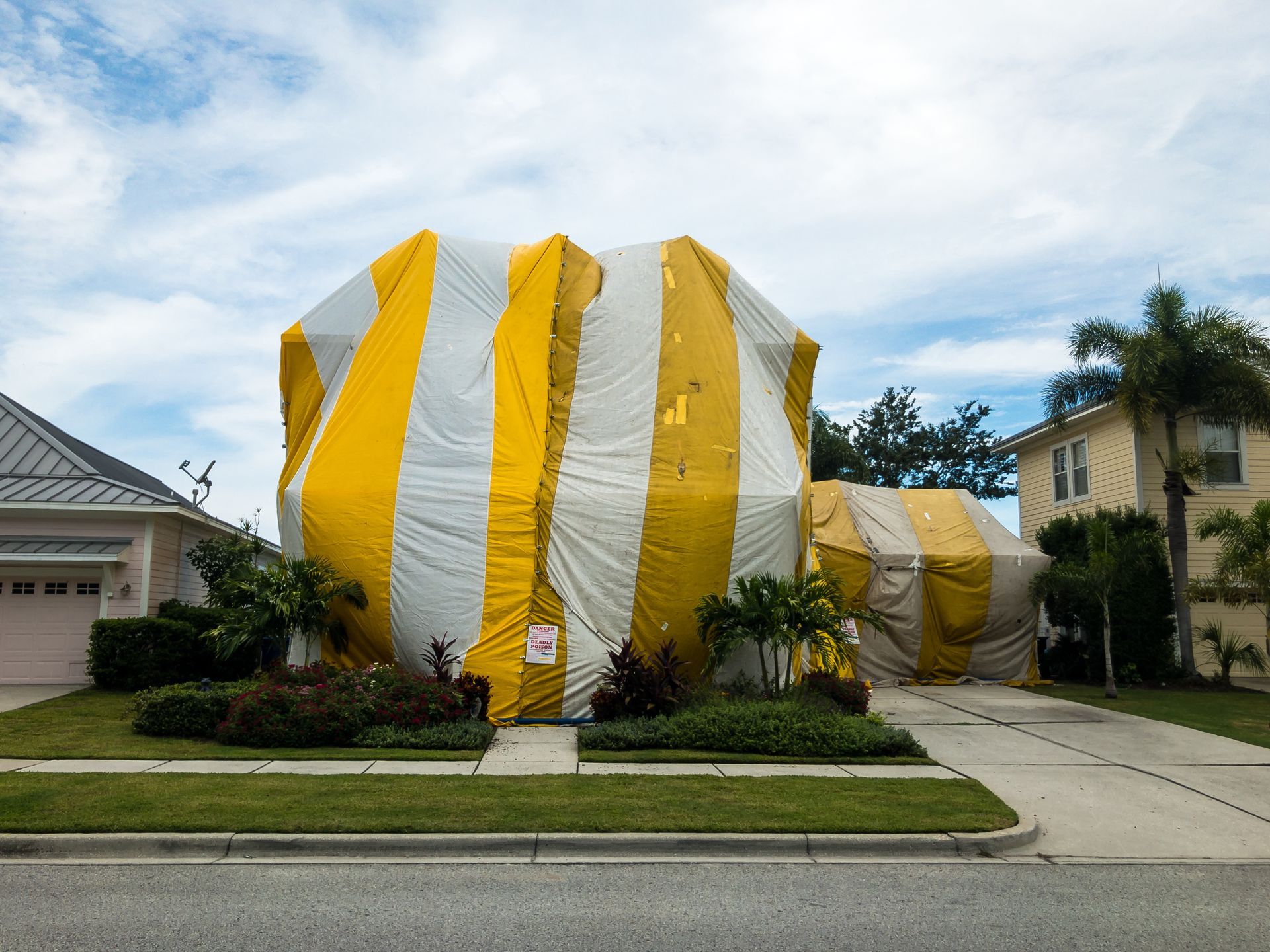
Scheduling tent fumigation services for the first time can feel overwhelming, but knowing what to expect makes the entire process far less stressful. Florida's warm, humid climate makes homes in St. Petersburg especially vulnerable to termites, drywood beetles, and other wood-destroying insects that can spread throughout a structure before homeowners even notice. Understanding the steps involved in professional tent fumigation helps you prepare your family, pets, and belongings so the treatment can go smoothly.
What Pests Does Tent Fumigation Treat?
Tent fumigation is a whole-structure treatment designed to reach pests hiding deep inside walls, flooring, and framing. It is most commonly used to eliminate drywood termites, subterranean termites, cockroaches, bed bugs, and other wood-destroying insects. Florida's climate can accelerate pest activity, which is why tent fumigation services in St. Petersburg are often recommended when infestations have spread beyond what surface treatments can reach.
How to Prepare Your Home Before Fumigation
Preparation typically begins a day or two before the treatment date. Your pest control provider will give you a detailed checklist, but most preparations follow a standard set of steps:
▸ Remove or double-bag all food, medications, and consumables in special nylon bags provided by your technician.
▸ Arrange for your entire household, including pets, fish tanks, and houseplants, to stay away from the property for the duration of the treatment.
▸ Unlock all interior doors, cabinets, and attic hatches so the fumigant can circulate freely.
▸ Trim back any plants or shrubs touching the exterior walls so tarps can seal tightly to the ground.
▸ Notify your neighbors, as tenting is visible and the process may take two to three days.
How Does the Tent Fumigation Process Work?
Professional fumigation follows a structured process from start to finish. A licensed crew seals the entire structure under a large tent and introduces a fumigant gas that penetrates every corner of the home. Here is a general overview of what happens:
1. The home is inspected and measured so the correct fumigant dosage can be calculated.
2. Tarps are placed over the structure and sealed at ground level to contain the gas.
3. The fumigant is released and allowed to circulate for a set period, typically 24 to 48 hours, depending on the level of infestation and the size of the home.
4. The tarps are removed, and the home is ventilated to clear the gas.
5. A licensed technician uses specialized equipment to verify that fumigant levels have dropped to a safe concentration before clearance is issued.
When Is It Safe to Return Home?
Re-entry is only permitted after a certified technician confirms that the fumigant has cleared to a safe level. This typically occurs on the morning of the third day, though exact timing may vary based on weather conditions and the size of the structure. After receiving clearance, residents can re-enter and resume normal activities. No residual fumigant remains on surfaces, so food and belongings left in sealed bags or removed from the home can generally be used without concern.
Ready to Schedule Tent Fumigation?
Pinellas Park-based Emory Brantley & Sons Termite and Pest Control Inc. proudly serves St. Petersburg and the surrounding communities with professional
tent fumigation services backed by more than 50 years of industry experience. If you have questions about the process or want to find out whether fumigation is right for your situation,
reach out to the team directly to schedule a consultation. You can also find
Emory Brantley & Sons Termite and Pest Control Inc. on Google to read reviews and learn more.